Sicilian Torrone: An Easy Recipe for an Irresistibly Crunchy Sweet
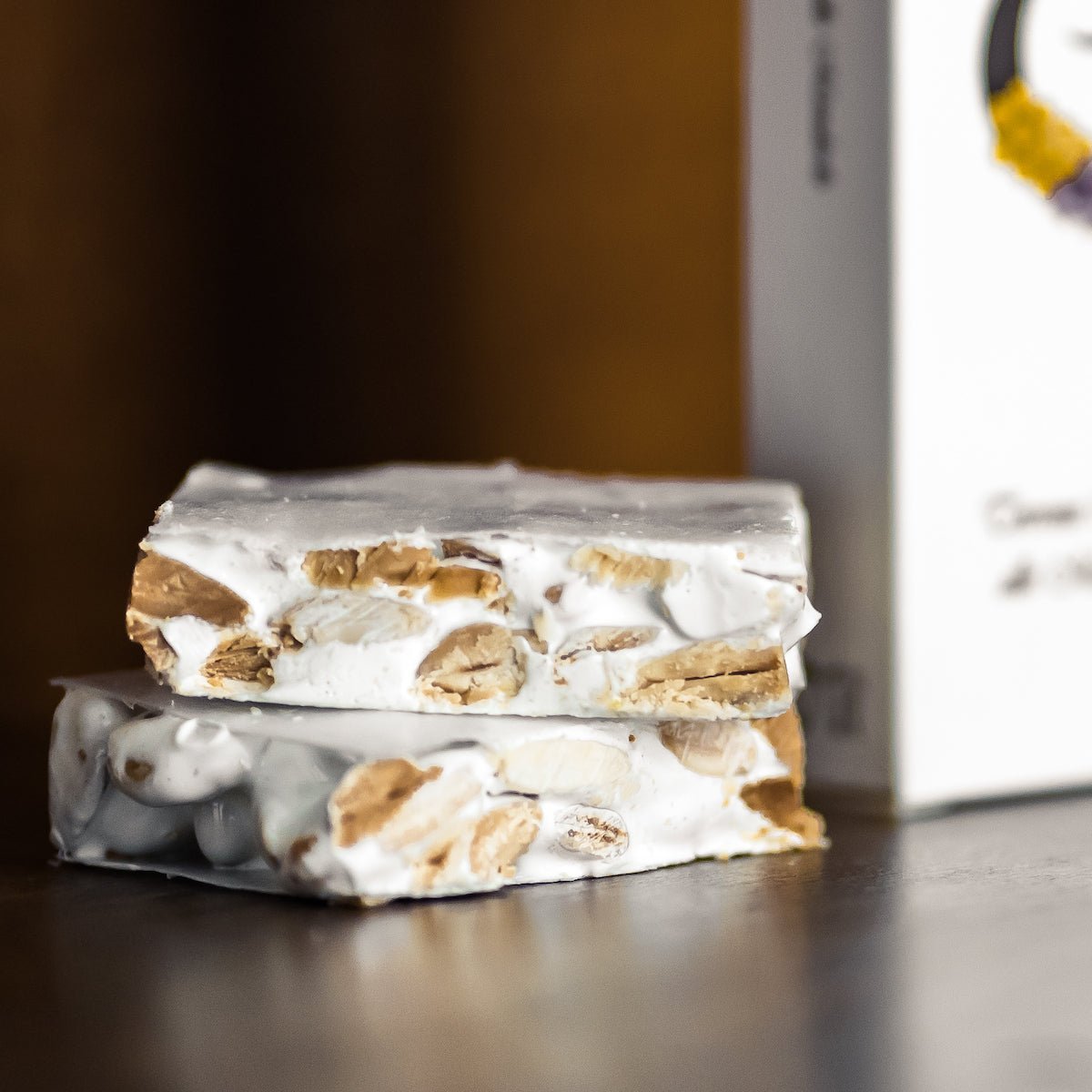
Sicilian torrone is a crunchy sweet made with almonds and honey, rich in history and tradition. In this article you will discover its origins, main ingredients and the method for making authentic Sicilian torrone at home.
-
Sicilian torrone has its roots in Arab rule, evolving over time through the use of typical local ingredients such as honey and almonds.
-
Preparation requires high-quality ingredients, such as Noto almonds and Sicilian honey, and careful handling to achieve the right consistency.
-
This sweet represents an important Sicilian tradition, a symbol of celebration and sharing during family festivities.
Origins of Sicilian Torrone
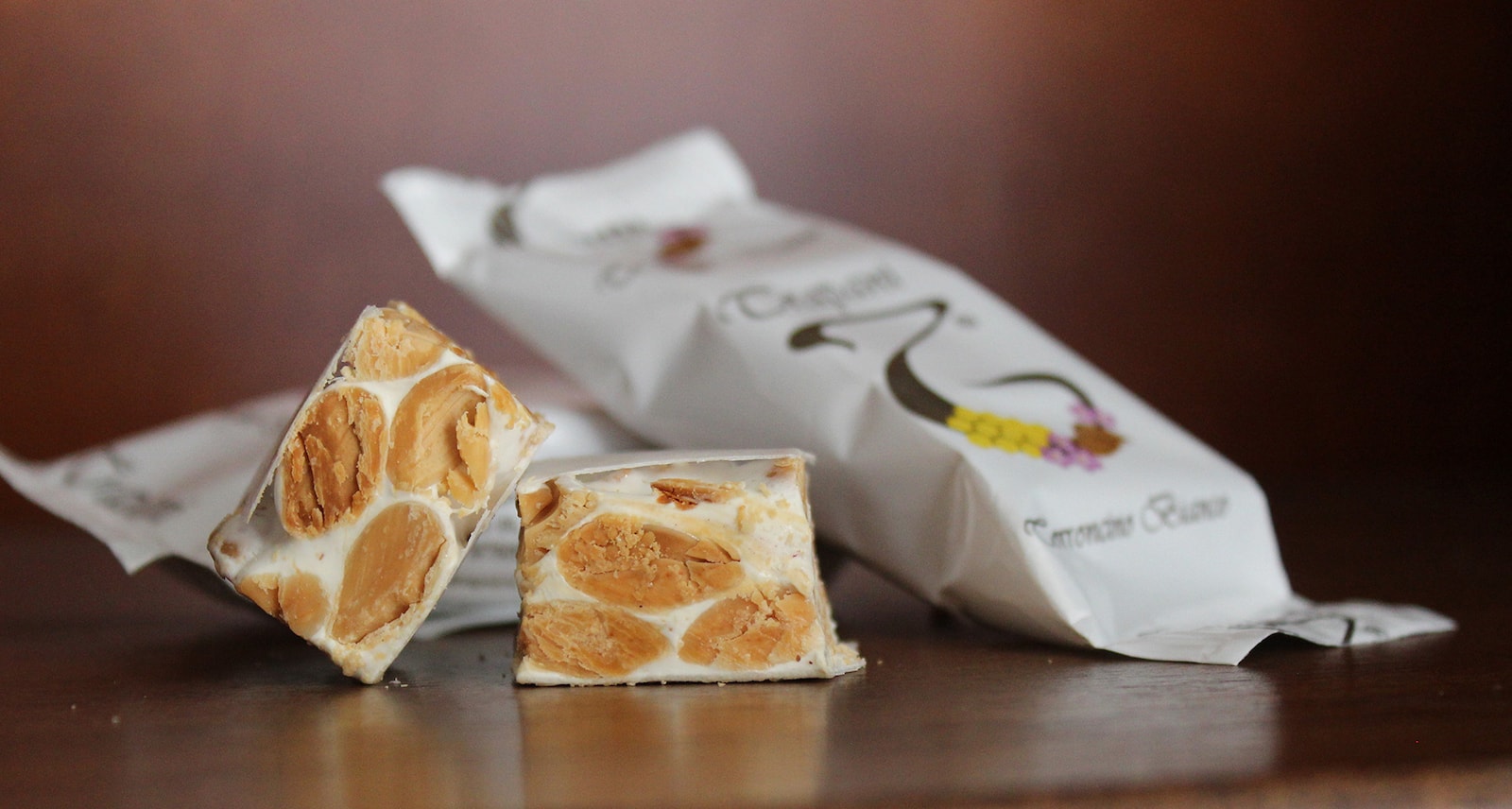
Sicilian torrone has ancient, fascinating roots dating back to Arab rule. It derives from a sweet called qubbaita, which strongly influenced its recipe and preparation. When the Normans conquered Sicily, qubbaita became a prestigious court delicacy, appreciated by the upper classes for its refinement.
Over the centuries, the torrone recipe evolved to incorporate local ingredients such as honey and almonds, central elements of Sicilian tradition. Every bite represents a microcosm of the cultural influences that have passed through the island, from the Normans to the Arabs and from the Spanish to the French.
Today, torrone symbolises continuity and cultural richness, a sweet telling stories of trade, conquest and family tradition. Making and enjoying torrone means entering a long, fascinating history that lives on in Sicilian homes.
Traditional Ingredients
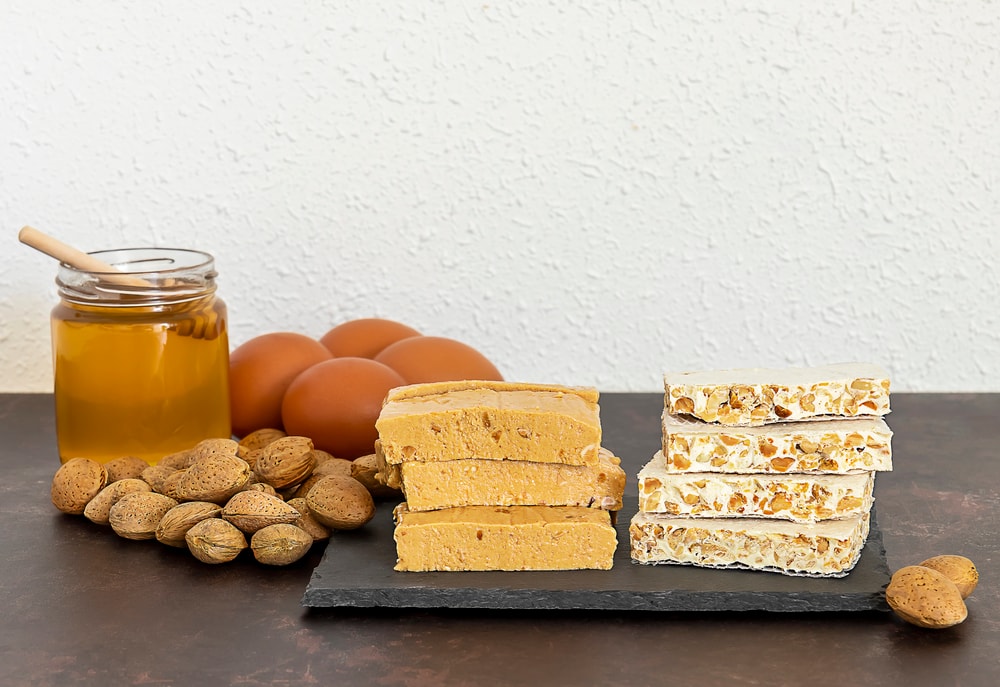
To make authentic Sicilian torrone, the ingredients must be of the highest quality. The traditional recipe calls for:
-
1 kg of almonds
-
250 g of honey
-
250 g of sugar
-
grated orange zest for a distinctive aromatic touch
These ingredients give torrone both its characteristic flavour and its perfect texture, crunchy on the outside and soft inside.
The Torronificio Trapani is one of Sicily’s most distinguished torrone producers. The key features of its production are:
-
Use of Romana almonds from Noto and Sicilian pistachios, high-quality ingredients
-
Use of a small amount of sugar
-
A torrone that is neither too hard nor too soft
These elements ensure an excellent finished product.
Beyond these features, the producer stands out for the artisan care applied at every stage. Processing takes place in a copper pan, which distributes heat evenly while the honey and sugar cook, preventing the mixture from burning or sticking. The honey is often locally produced, such as acacia or chestnut honey, giving torrone a distinctive, deep aroma and flavour.
Hand processing is another fundamental element: every piece of torrone is carefully shaped, and the mixture is spread on baking parchment by skilled master torrone makers, ensuring a perfect consistency and an even shape. This manual process also allows the nuts to be incorporated evenly throughout the sweet.
Finally, torrone is left to rest and cool slowly for several hours, often overnight, in temperature-controlled rooms, to achieve the right crunchy consistency without becoming too hard. This step is essential to the finished result that distinguishes high-quality Sicilian torrone.
Some versions include a thin wafer layer around the torrone to make storage and cutting easier, preserving the sweet’s characteristics without altering its flavour.
Torronificio Trapani also often offers demonstration videos showing the production stages, allowing enthusiasts to discover the secrets of this ancient confectionery art. This helps keep the tradition alive and pass on a passion for Sicilian torrone to new generations.
Besides almonds and honey, other ingredients may include pistachios, hazelnuts and even peanuts, each adding a distinctive flavour nuance to Sicilian torrone. Grated orange zest and acacia or chestnut honey are often used to give the sweet a special touch.
Making Sicilian Torrone
Making Sicilian torrone is an art requiring patience and precision. Here are the main steps:
-
Grate the orange zest and squeeze the juice from a fresh orange.
-
Mix the orange juice with sugar and cook over a low heat until the sugar dissolves completely.
-
Add the honey and let it dissolve completely.
-
Incorporate the almonds.
The almonds should cook slowly with the honey and sugar mixture for about half an hour, stirring constantly to prevent burning. During this process, it is essential to whisk the egg whites until stiff and fold them in gently for a light, airy consistency.
Pour the mixture onto baking parchment brushed with vegetable oil and level it into a rectangular shape. This step is crucial to ensure an even surface and easy cutting once the torrone has cooled.
After cooking, the torrone must cool completely for at least three hours before being cut into cubes. Finally, for the best result, leave the torrone to cool overnight so it hardens properly. This process may seem lengthy, but the final result is a crunchy, delicious sweet worth every minute of waiting.
Regional Variations of Sicilian Torrone
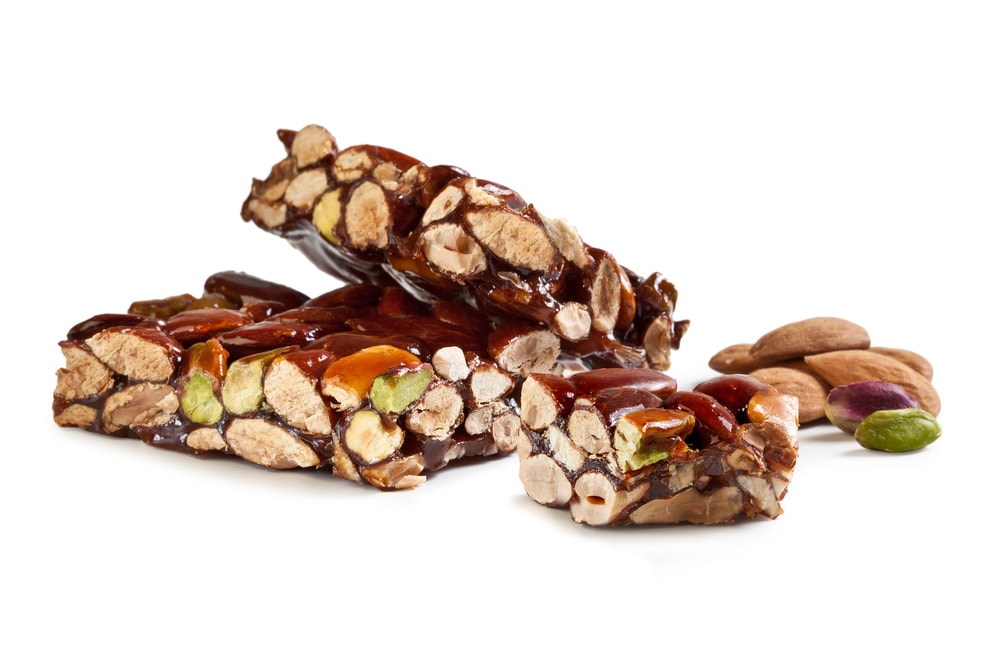
Sicilian torrone has several regional variations, each with distinctive features. In Caltanissetta, torrone is known for its toasted almonds and honey, which give it a particularly crunchy texture. Grated orange zest adds a citrus aroma making this torrone unique.
Giarratana is famous for its soft torrone, made with high-quality Sicilian almonds and pistachio, bound together by sweetness and passion and enriched with milk. This version is appreciated for the delicate, authentic flavour of local almonds, wrapping the sweet in deliciousness, including torroncini, a typical Italian confection.
The Giarratana torrone stands out for its skilful use of wholesome ingredients and artisan production respecting the area’s ancient traditions. Milk, added in moderation, gives the mixture a distinctive softness, making the torrone less crumbly than other versions but equally rich in flavour. Pistachios, often locally grown, provide an intense aroma and a pleasant contrast of textures.
In this area, torrone is also often prepared with fresh eggs, helping bind the mixture and improve its internal structure. Production also uses sugar syrup and honey, carefully cooked in small copper pans to achieve the right consistency and sweetness. The result captures Sicily’s authentic flavours, perfect for festive occasions or as a special gift.
This soft version is often wrapped in baking parchment or placed in special containers to preserve freshness and aroma, preventing it from absorbing moisture. Some traditional recipes also include lemon or orange zest, adding a fresh citrus note that balances the torrone’s sweetness.
Finally, tradition holds that Giarratana torrone is made at home, with recipes passed down through generations, often carefully guarded by grandmothers, the beating heart of this sweet Sicilian culinary art.
In Licodia Eubea, torrone stands out for the addition of local honey, giving a distinctive aromatic vanilla flavour.
Another interesting version is Modica torrone, distinguished by a particular almond-toasting method that produces a deeper, more intense flavour. Every part of Sicily has its own way of interpreting and making torrone, turning this sweet into an exploration of the island’s flavours.
Tips for Storing Sicilian Torrone
Storing torrone correctly is essential to preserve its freshness and crunch. Here is how to store it well:
-
The ideal storage temperature is below 18 degrees Celsius.
-
Crunchy torrone and pralines should be stored in a cool, dry place.
-
Keep torrone away from heat sources and moisture.
To improve the tasting experience, storing classic torrone in the freezer is recommended, particularly because of its high honey content. This helps keep it fresh longer and enhances its flavour when served.
Sicilian Torrone at Celebrations
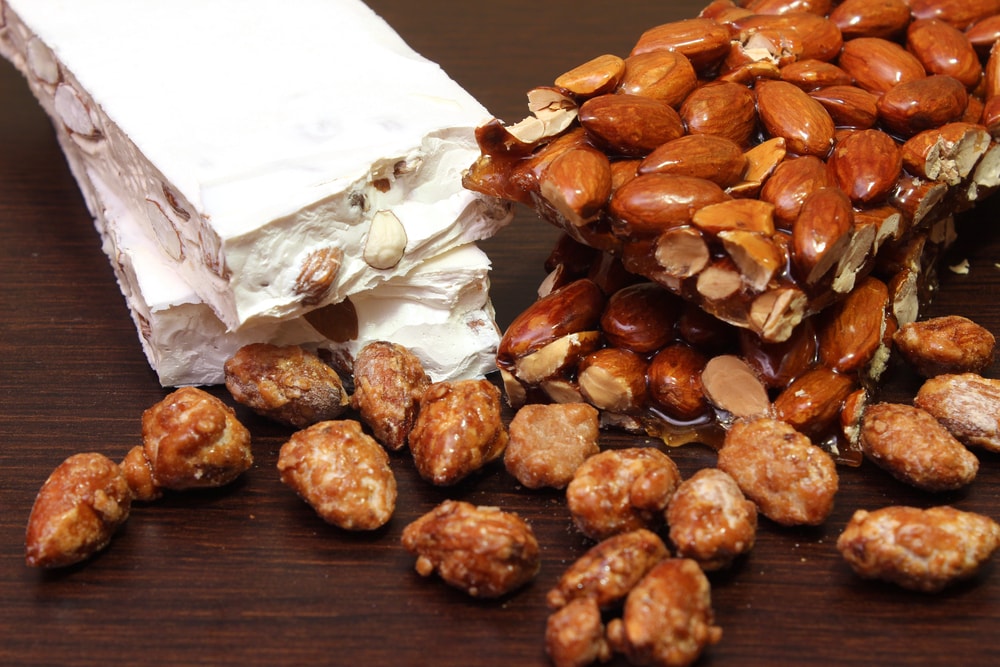
Sicilian torrone is a central part of Christmas celebrations in Sicily, symbolising sharing and prosperity. This traditional sweet is enjoyed during holidays, Christmas and All Saints’ Day, representing family celebrations and conviviality.
Making torrone is linked to culinary traditions dating back centuries, making it a symbol of cultural continuity at celebrations. In Sicily, torrone is often served at festive banquets and can be paired with typical regional sweet wines.
Alongside traditional Christmas torrone, Torronificio Trapani also offers a much-loved Easter speciality: Torruovo. This sweet, typical of Sicilian Easter, is an innovative, delicious variation of torrone, made with the same artisan care and high-quality ingredients.
Torruovo has the shape of an Easter egg, symbolising rebirth and prosperity. It is made from selected almonds, honey and sugar, enriched with chocolate and decorated with colourful details, making it ideal as a gift or a treat to share during Easter celebrations.
Torruovo production follows traditional methods, with particular attention to ingredient selection and gently cooking the mixture in small copper pans, ensuring a perfect texture, crunchy outside and soft inside. Like classic torrone, Torruovo is hand-shaped and wrapped in baking parchment or elegant packaging to preserve freshness and aroma.
This Easter speciality is a perfect marriage of tradition and innovation, enriching Sicilian Easter tables, keeping the island’s confectionery culture alive and offering a distinctive tasting experience combining authentic torrone flavour with the joy of spring festivities.
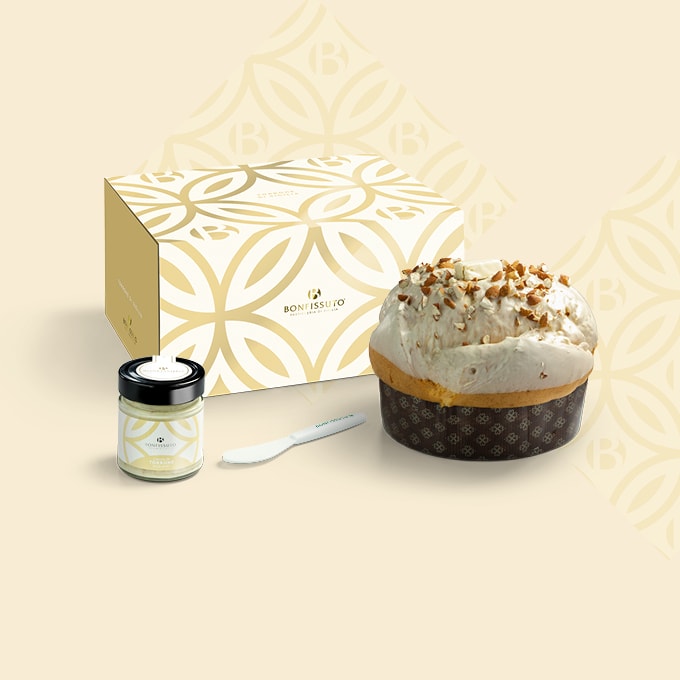
Torrone Panettone from Pasticceria Bonfissuto in Canicattì
Pasticceria Bonfissuto in Canicattì offers a Sicilian torrone panettone with a distinctive, refined taste. This 1 kg cake features a white chocolate coating enriched with pieces of toasted almonds and almond torroncini, adding crunch and flavour. The panettone includes a 200 g jar of Sicilian torrone spread, made with 34% Sicilian almond torrone, and a spreading knife for enjoying it. High-quality ingredients, such as soft wheat flour, Sicilian wildflower honey, orange paste and Madagascar vanilla beans, make this a prized traditional product, perfect for Christmas festivities and anyone wishing to enjoy Sicilian confectionery tradition in an innovative form.
Homemade Sicilian Torrone
Making Sicilian torrone at home is a rewarding experience. To make soft torrone, you need:
-
egg whites
-
sugar
-
honey
-
toasted nuts. These ingredients must be combined carefully to ensure a perfect result.
A kitchen thermometer is essential for monitoring the glucose temperature while cooking torrone. This tool helps prevent the sugar from burning and achieve the correct consistency.
With a little practice and patience, anyone can make this traditional sweet at home by following suitable recipes.
Nutritional Benefits of Torrone
Torrone is delicious and also offers several nutritional benefits. It is a significant protein source, with about 10.8g per 100g, contributing to satiety and muscle nutrition. It also contains essential minerals such as calcium and iron, important for bone health and red blood cell production.
The almonds in torrone provide unsaturated fatty acids, useful for heart health and maintaining healthy cholesterol levels. Honey, rich in antioxidants, may also improve immune health. However, torrone should be consumed in moderation because of its high sugar and calorie content.
Where to Buy the Best Sicilian Torrone
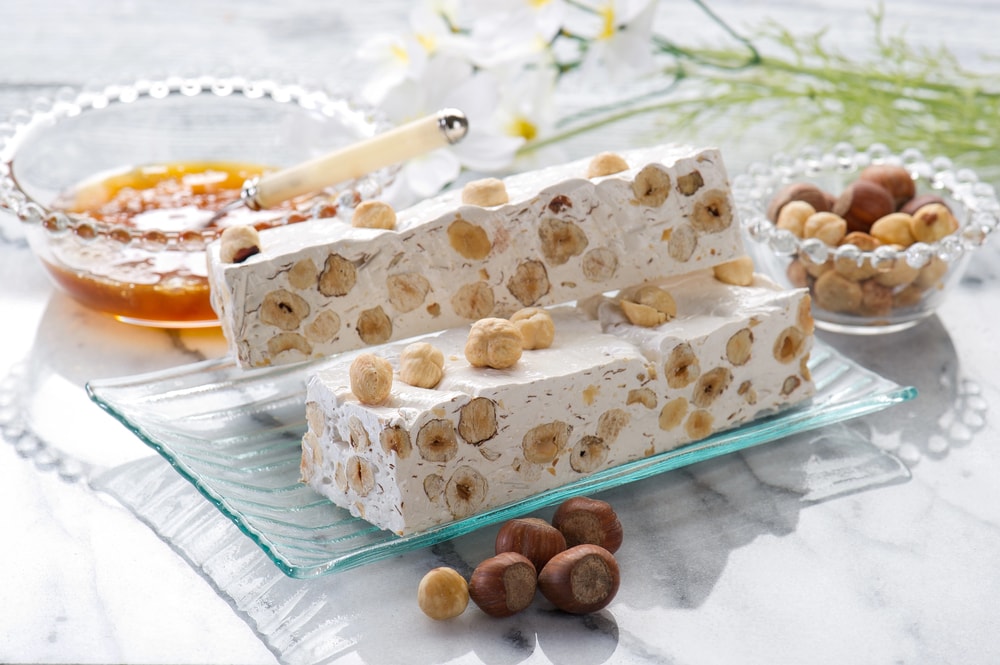
In Sicily, the best places to buy Sicilian torrone are traditional pastry shops and local markets, where fresh, authentic products can be found. For those who prefer shopping online, SICILUS offers a selection of high-quality artisan products delivered to your home.
To recognise high-quality torrone, check for ingredients such as local almonds and natural honey, avoiding versions with additives or preservatives. SICILUS ensures maximum online payment security through the SSL protocol and does not require registration to place an order.
Shipping is free for orders over 89€ in Italy and 149€ in Europe, except for excluded products and shipping profiles. Applicable costs and delivery times are shown at checkout. Customers can complete a purchase by entering only the information needed for payment and delivery.
Summary
On this journey through Sicilian torrone, we have explored its historical origins, traditional ingredients and regional variations that make this sweet unique and special. We have learnt how to make it at home and store it to preserve freshness. Torrone is more than a sweet: it symbolises tradition and celebration, carrying centuries of history and culture.
Whether you choose to buy it or make it at home, Sicilian torrone is a delight to enjoy and share with loved ones. Every bite transports you to beautiful Sicily, making you part of a tradition that lives on with passion and dedication.
Frequently Asked Questions
What are the main ingredients of Sicilian torrone?
The main ingredients of Sicilian torrone are almonds, honey, sugar and grated orange zest. It is a delicious sweet evoking authentic flavours!
What is the best way to store torrone?
Store torrone in a cool, dry place below 18 degrees Celsius. To improve its shelf life and tasting experience, you can also put it in the freezer.
What are the regional variations of Sicilian torrone?
There are several variations, including those of Caltanissetta, Giarratana, Licodia Eubea and Modica, each with distinctive ingredients and preparation methods. These specialities reflect the richness of Sicily’s confectionery tradition.
Where can I buy the best Sicilian torrone?
You can find the best Sicilian torrone in traditional pastry shops and local markets in Sicily. If you prefer shopping online, try SICILUS for a selection of high-quality artisan products.
What are the nutritional benefits of torrone?
Torrone offers nutritional benefits including protein, essential minerals such as calcium and iron, and unsaturated fatty acids from almonds and honey. This sweet also contains antioxidants that may contribute to general wellbeing.