
Bronte Pistachio Cream: What It Is, How to Use It and What Makes It Special
The Bronte pistachio cream is one of the Sicilian specialities most loved by those seeking an intense, velvety and authentic flavour. Sweet, fragrant and rich, it comes from one of Etna’s most precious ingredients: pistachios grown around Bronte, on the volcano’s slopes.
It is more than a simple pistachio spread. When well made, it tells the story of its homeland: lava stone, hand harvesting, the fruit’s deep green colour and the unmistakable aroma that sets Sicilian pistachios apart from many more common varieties.
This guide explains pistachio cream, how to recognise a quality product, how to use it in the kitchen and which recipes bring out its flavour.

What Is Pistachio Cream?
Pistachio cream is a sweet spread made by processing pistachios, often with sugar and other ingredients to achieve a soft, creamy consistency.
Quality mainly depends on three elements:
- pistachio percentage shown on the label;
- origin and quality of the raw ingredient;
- a simple ingredient list.
A good cream should have a full, natural flavour without being excessively sweet. Pistachio should be the main feature, rather than a background aroma.
Sicilus offers several pistachio specialities, including Bonfissuto pistachio cream, ideal for breakfasts, desserts and fillings.
Want to Try It in Desserts?
Discover pistachio cream selected by Sicilus for breakfasts, desserts and fillings.
Pistacchio Verde di Bronte PDO: What It Really Means
The correct designation is Pistacchio Verde di Bronte PDO. The PDO protects pistachios produced in a defined area of the province of Catania, particularly in Bronte, Adrano and Biancavilla.
It is important to distinguish the certified fruit from the processed cream. The PDO designation applies to pistachio as a raw ingredient; a cream can declare the use of Pistacchio Verde di Bronte PDO only if the ingredient is genuinely certified and correctly listed on the label.
When buying pistachio cream, reading Bronte or Sicily is not enough: check the ingredients, pistachio percentage and producer information.
Pistachio Cream and Pistachio Pesto: What Is the Difference?
Pistachio cream and pistachio pesto are often confused, but they have different uses in the kitchen.
- The pistachio cream is usually sweet and used for breakfasts, desserts, tarts, cannoli, ice cream and fillings.
- pistachio pesto is savoury or neutral and suited to pasta, bruschetta, risotto, gourmet sandwiches, meat and fish.
- The pure pistachio paste, when available, is a more specialised product that can also be used in professional pastry making.
For more about savoury uses, read the Sicilus guide to pistachio pesto.
Recognising Quality Pistachio Cream
A good pistachio cream can be recognised by its label, colour, aroma and texture. Here is what to check before buying.
1. Pistachio Percentage
The pistachio percentage is the first figure to read. Below 20–30%, the pistachio may be less noticeable. Around 40–50%, the cream starts to develop good intensity. Above 50%, it becomes richer and more interesting.
2. Natural Colour
The colour should be green, but not necessarily fluorescent. An excessively bright green can indicate colours or flavourings. A natural shade, even slightly less vivid, is preferable to an artificial colour.
3. A Simple Ingredient List
A good cream should have a clear ingredient list. Ideally, look for a high pistachio content, sugar and few other ingredients needed for texture. Avoid products where pistachio appears at the bottom of the list.
4. Aroma and Flavour
The aroma should recall nuts and gentle roasting. The cream should feel soft but not heavy. It should taste of pistachio rather than just sugar.
Using Pistachio Cream in Desserts
Pistachio cream is perfect for many sweet preparations. It can turn a simple recipe into something richer and more memorable.
You can use it to:
- fill croissants, brioche and pastries;
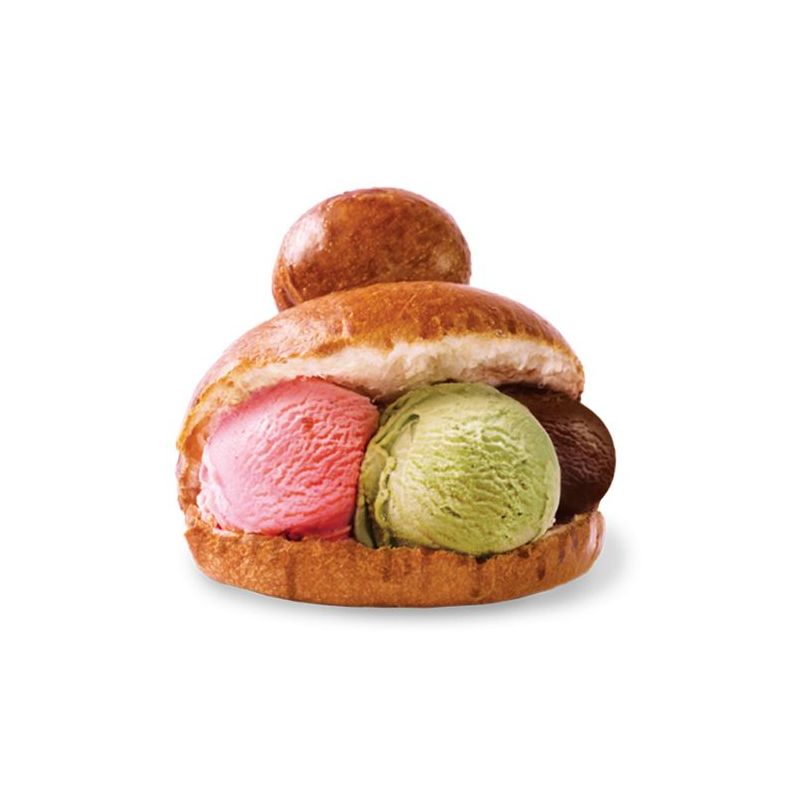
- spread on toast, rusks or brioche col tuppo;
- fill tarts, biscuits and tartlets;
- enhance Sicilian cannoli and modern cassata;
- decorate cheesecakes, semifreddo and chilled cakes;
- serve with vanilla ice cream, ricotta or white chocolate.
Sheep’s milk ricotta is one of the best pairings: its delicate sweetness balances the intensity of pistachio and creates an ideal filling for cannoli, tarts and spoon desserts.

Using Pistachio in Savoury Dishes
Take care with savoury recipes: not all pistachio creams are suitable. If a cream is very sweet, use it only for desserts. For pasta, bruschetta and main courses, choose pistachio pesto or unsweetened pistachio paste.

For Pasta, Choose Pesto Rather Than Sweet Cream.
Pistachio pesto is better suited to pasta dishes, bruschetta and savoury recipes.
Pistachio works well with fresh or short pasta, sausage, speck, prawns, burrata, mortadella, swordfish, ricotta salata and lemon zest.
For a more intense, autumnal version, try Triscari Pistachio Pesto with Porcini Mushrooms. For a more aromatic, richer pasta dish, Triscari Pistachio Pesto with Summer Truffle suits paccheri, rigatoni and small gnocchi.
Recipe: Pistachio Pasta with Sausage
Choose a shape that holds the sauce well, such as Bronze-Die Paccheri from Ancient Russello Wheat, Russello Rigatoni or Russello Casarecce.

Ingredients for 2 People
- 200 g pasta, preferably rigatoni, mezze maniche or busiate
- 150 g fresh sausage
- 2–3 tablespoons pistachio pesto or non-sweet pistachio cream
- 1 small shallot
- extra virgin olive oil as needed
- salt to taste
- black pepper to taste
- chopped pistachios as needed
- ricotta salata or stracciatella, optional
Method
Bring a pan of salted water to the boil and cook the pasta al dente. Meanwhile, remove the sausage casing and crumble the meat into a frying pan with a drizzle of extra virgin olive oil and the chopped shallot. Cook over medium heat until golden.
In a bowl, loosen the pistachio pesto with two or three tablespoons of pasta cooking water. Stir until smooth and fluid. Drain the pasta al dente, transfer it to the pan with the sausage and add the pistachio cream. Stir over low heat for a few seconds, adding more cooking water if needed.
Finish with chopped pistachios, black pepper and, if desired, a little ricotta salata or stracciatella.
Complete the Recipe with the Right Sicilian Pasta.
Paccheri, rigatoni and casarecce made with ancient Russello wheat hold creamy sauces well.
Recommended Pairings
Sweet pistachio cream pairs well with dark chocolate, white chocolate, ricotta, mascarpone, vanilla, Sicilian citrus, almond, coffee and red berries.
Savoury pistachio pesto or paste pairs with sausage, prawns, mortadella, burrata, speck, swordfish, lemon, basil and ricotta salata.
Storing Pistachio Cream
Storage depends on the recipe and producer instructions. In general, unopened spreads can be kept in a cupboard away from heat and direct light.
After opening, always follow the label. Many artisan creams need refrigeration and should be consumed within a few weeks. If the cream has been refrigerated, leave it at room temperature for a few minutes before use and stir well.

Want to Give a Sicilian Pistachio Dinner?
The Pasta & Basta — Pistacchiosa Gift Box combines pasta, pistachio and Sicilian flavours in ready-to-give packaging.
Where to Buy Good Sicilian Pistachio Cream
Many pistachio creams are available online, but quality varies widely. Check pistachio origin and percentage, the presence or absence of flavourings and colours, ingredients, producer reputation and shipping arrangements.
At Sicilus, we select Typical Sicilian products for those seeking something authentic. Pistachio cream makes a gift, a dessert ingredient or part of a gourmet package with other island specialities.
For a sweet spread ideal for breakfast, desserts and fillings, Sicilus offers Bonfissuto Pistachio Cream 200 g. For savoury recipes and pasta dishes, choose Pistachio Pesto 180 g.
Other popular sweet spreads include Pistì Pistachio Spread 200 g and Fiasconaro Pistachio Cream 180 g. Find them all, alongside other island specialities, in the Sicilian Sweet Spreads.
Discover the Sicilus selection dedicated to Sicilian pistachio and choose a cream for your desserts, breakfasts or gourmet gifts.
Frequently Asked Questions about Pistachio Cream
Is Bronte pistachio cream PDO?
PDO applies to Pistacchio Verde di Bronte, the fruit produced according to its specification. A cream can declare the use of Pistacchio Verde di Bronte PDO only if the ingredient is certified and correctly listed on the label.
Should pistachio cream be refrigerated?
It depends on the product. Many artisan creams need refrigeration after opening and should be consumed within the period stated on the label.
What is the difference between pistachio cream and pistachio pesto?
Pistachio cream is usually sweet and used for desserts, breakfasts and fillings. Pistachio pesto is savoury or neutral and suited to pasta, bruschetta, risotto and gourmet dishes.
Can pistachio cream be used to fill cannoli?
Yes. It can be used on its own or with ricotta. Ricotta and pistachio are popular together, combining creaminess, sweetness and intense flavour.
How can I tell whether a pistachio cream is good?
Check pistachio percentage, ingredient list and colour. A quality cream has a natural flavour, is not too sugary and has a simple ingredient list.
Can pistachio cream be used for pasta?
Only if it is not sweet. For pasta, use pistachio pesto or unsweetened pistachio paste. Sweet cream is better suited to desserts and breakfasts.